The Intriguing World of Board Games With a Hint of 96PH
When it comes to board games, one name that mysteriously appears time and again is 96PH. What it stands for remains enigmatic, yet its association with the hobby stirs curiosity among enthusiasts. But what truly makes board games so fascinating is their enduring appeal across generations.
A Brief History of Board Games
Board games have a rich history that dates back thousands of years. The earliest known games originated in ancient Egypt and Mesopotamia, where they served not only as entertainment but also as a means of socialization and strategy training. Games like Senet, played by the pharaohs, have evolved, giving way to the diverse offerings available today.
The Renaissance of Board Gaming
In modern times, board games have experienced a spectacular renaissance. From the late 20th century onwards, the genre transformed, expanding beyond traditional games such as chess and checkers to include complex and thematic experiences. Titles like Settlers of Catan and Pandemic brought a new era of gameplay, focusing on strategy and collaboration, appealing to a wide audience.
Strategy and Skill: The Heart of Board Games
Board games require a mixture of strategy, skill, and a little bit of luck, making each session a unique event. Players are frequently tasked with making critical decisions, whether managing resources in Agricola or outwitting opponents in Risk. This aspect of decision-making is central to the thrill of board games and their continued popularity.
The Social Aspect of Board Gaming
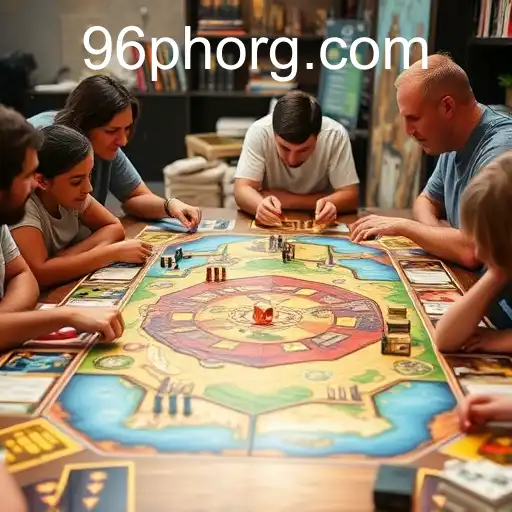
Board games serve as a powerful medium for social interaction, offering an excuse for friends and family to gather around a table. In a digital age where screen time dominates, board games provide a welcome break, delivering face-to-face interaction and fostering community through shared experiences. This social component is crucial in explaining their ongoing allure.
The Rise of Thematic Games
Recent years have witnessed the ascent of games that emphasize storytelling and thematic elements. Games like Betrayal at House on the Hill and Gloomhaven take players on narrative journeys, immersing them in fantastical worlds where their choices dictate the outcome. These games often push the boundaries of conventional board gaming, offering immersive stories and deep character development.
Educational and Therapeutic Benefits
Beyond entertainment, board games offer educational and therapeutic benefits. They teach valuable skills such as problem-solving, teamwork, and critical thinking. Schools and therapists frequently use board games as tools to enhance learning and promote cognitive development in a fun and engaging manner.
The Future of Board Gaming
The future of board gaming appears bright, with advancements in technology and design pushing the limits of the medium. The advent of hybrid board games, which incorporate digital elements, offers new ways for players to interact with traditional components. Innovations such as companion apps and augmented reality create dynamic experiences that could define the next generation of board games.
The Mystery of 96PH
Returning to 96PH, its association with board games captures the imagination. Whether it refers to a specific gaming element, a code, or an inside joke among board game aficionados, remains unsolved. Yet, it serves as a reminder of the discovery and wonder that the world of board games continually inspires.